2026 Winner
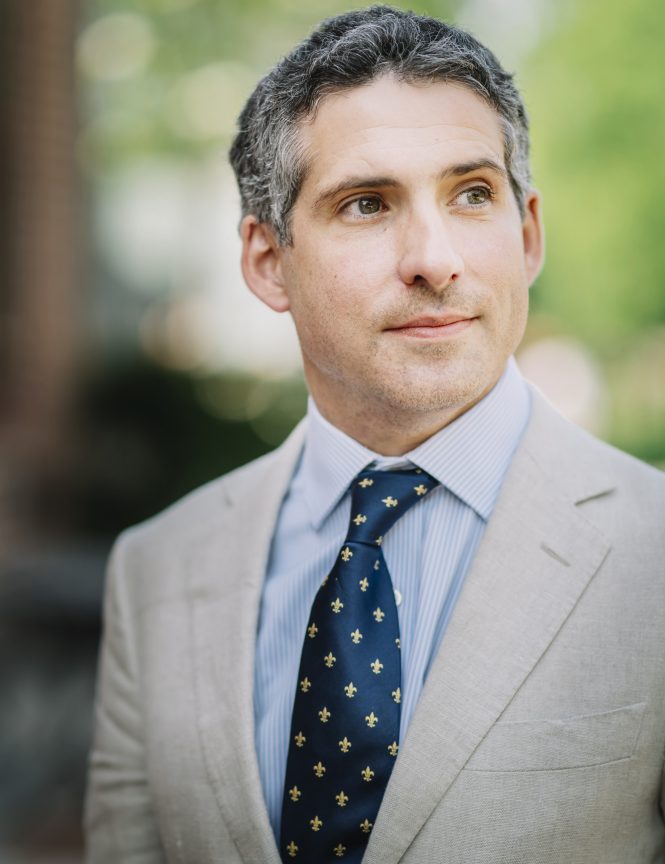
Beth Lew-Williams -
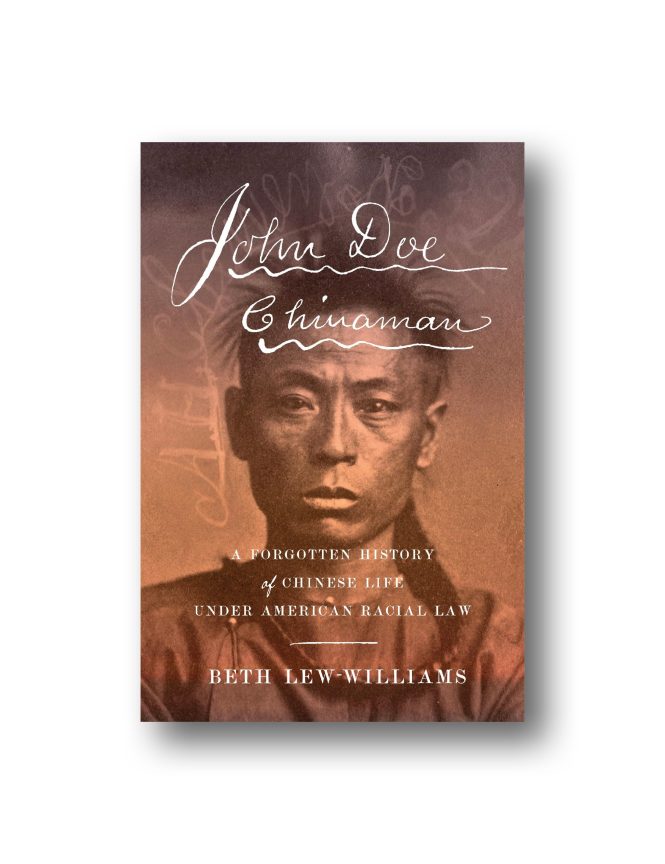
John Doe Chinaman:
A Forgotten History of Chinese Life Under American Racial Law
A Forgotten History of Chinese Life Under American Racial Law
Biography
Beth Lew-Williams is Professor of History and Director of the Program in Asian American Studies at Princeton University. She is the author of The Chinese Must Go: Violence, Exclusion, and the Making of the Alien in America.
Book Summary
Legal discrimination against Chinese people in the United States began in 1852, when California passed a tax on foreign gold miners that was explicitly designed to exploit Chinese labor. Over the next seventy years, officials in California, Oregon, Washington, and other western states instituted more than five thousand laws that marginalized and controlled their Chinese residents. Long before the Chinese Exclusion Act banned Chinese immigration, these laws constrained the activities and opportunities of Chinese people already living in the United States.
In this eye-opening account, Beth Lew-Williams describes a legal architecture redolent of Jim Crow but tailored specifically to people often referred to only as “John Doe Chinaman” or “Mary Chinaman” in official records. Enforced by police and tax collectors, but also by schoolteachers, missionaries, and neighbors, these laws granted the Chinese only limited access to American society, falling far short of equality or belonging. Cementing stereotypes of Chinese residents as criminals, invaders, and predators, they regulated everything from healthcare to education, property ownership, business formation, and kinship customs. Yet in the face of these limitations, Chinese communities reacted resourcefully. Many fought, evaded, and manipulated these laws, finding ways to maintain their prohibited traditions, resist unfair treatment in court, and insist on their political rights.
Drawing on dozens of archives across the US West, John Doe Chinaman reveals the depth of anti-Chinese discrimination beyond federal exclusion and tells the stories of those who refused to accept a conditional place in American life.

Finalist
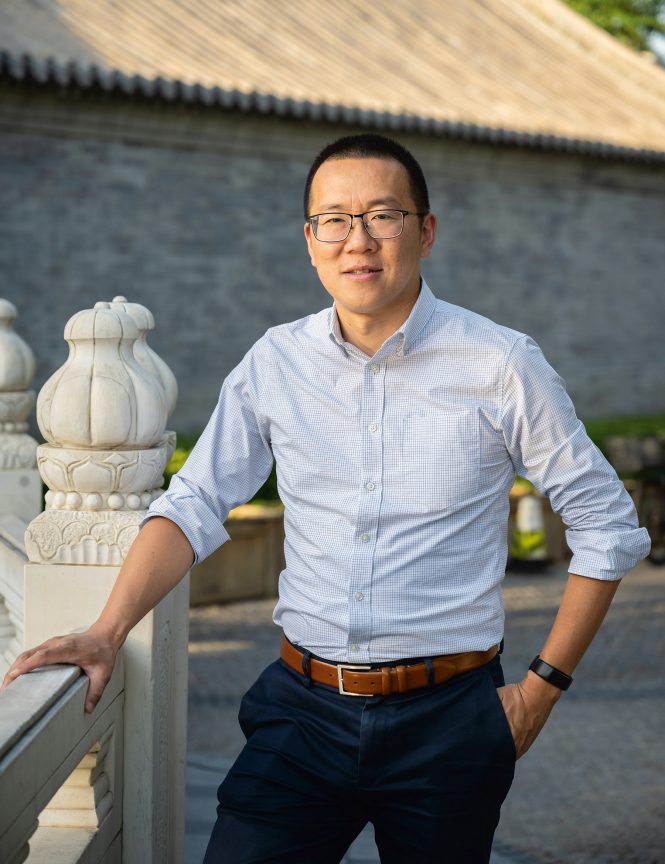
Jonathan Cheng -
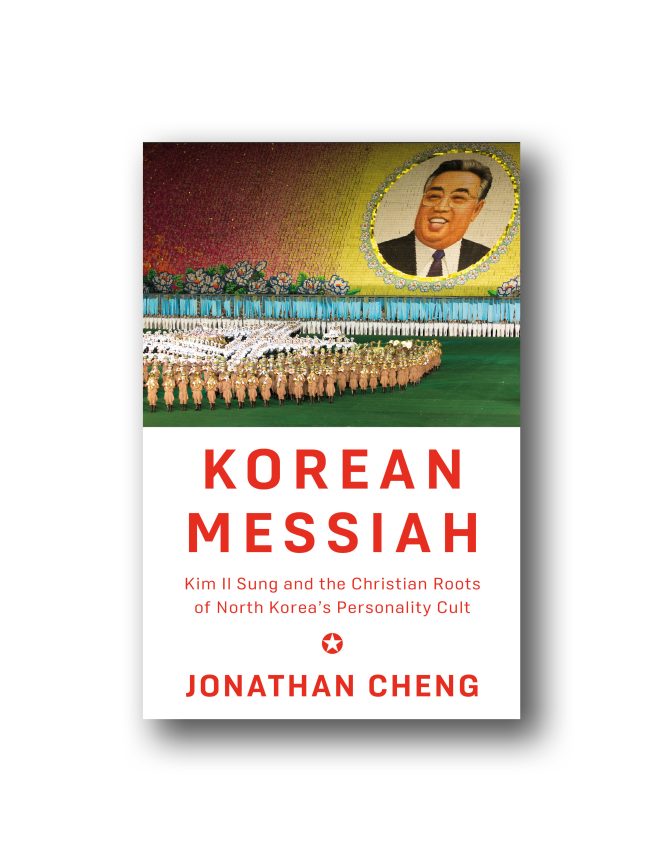
Korean Messiah:
Kim Il Sung and the Christian Roots of North Korea
Kim Il Sung and the Christian Roots of North Korea
Biography
Jonathan Cheng is the China bureau chief for The Wall Street Journal. He was previously the Korea bureau chief, running coverage of the Korean peninsula, including politics and society in both North and South Korea. A native of Toronto, he lives in Beijing. He has travelled to North Korea twice.
Book Summary
For nearly eight decades, North Korea has marched defiantly to its own beat, shaking off its Soviet and Chinese sponsors to emerge as the world’s most enigmatic nation—a nuclear-armed state ruled by a dictatorial dynasty. Underpinning the state is a personality cult more soaked in religiosity than those constructed by Stalin or Mao—one that traces its roots back to the Christian fervor of post–Civil War America.
Jonathan Cheng, the Wall Street Journal’s China bureau chief and former Korea bureau chief, takes us deep inside Pyongyang, a city once so dominated by Christianity that it was known as the “Jerusalem of the East.” Cheng introduces us to Samuel Moffett, a Presbyterian missionary from Madison, Indiana, who would venture into Pyongyang at the end of the nineteenth century and build a remarkable following—one that would include the Kim family that today presides over one of the world’s harshest persecutors of the Christian faith.
At the center of this story is North Korea’s founder, Kim Il Sung, son of two fervent Christians and progenitor of an ideology known as Kimilsungism, an exercise in idolatry that has elevated him, and his successor son and grandson, to Christlike status, from the humble manger where he was born to the subway seat on which the venerated leader once placed his posterior, cordoned off as if it were a religious relic.
Drawing on letters, diaries, and never-before-unearthed archival material that temper and often contradict the glorious historical record promoted by Kim Il Sung’s legions of hagiographers, Korean Messiah tells the true story of a country shrouded in fictions.
Finalist
Alexander Lee -
The First Ghetto:
Venice and the Jews
Venice and the Jews
Biography
Alexander Lee is a research fellow at the University of Warwick. He is the author of several acclaimed books, most recently the critically acclaimed Machiavelli: His Life and Times. He writes a regular column for History Today, and has contributed articles on a wide variety of historical and cultural subjects to the Sunday Telegraph, the Wall Street Journal, the Guardian, the New Statesman, the Times Literary Supplement, the Atlantic, and Dissent.
Book Summary
A sweeping, riveting history of the Venetian Ghetto, the world’s first Jewish ghetto.
In the early sixteenth century, amidst the ruins of war, and in an atmosphere of religious hatred, the world’s first Jewish ‘ghetto’ was established in Venice. Constrained in cramped, often insanitary conditions, the Jews who were forced to live there were extorted, abused and subjected to countless humiliating restrictions. Before long, Venice’s Ghetto became the prototype for ghettos throughout Europe, paving the way for a more vicious and enduring form of antisemitism.
Yet the Ghetto’s story is also a testament of hope. Despite all they faced through the centuries, its residents thrived, creating a flourishing literary, musical and religious community. They sustained Venice’s economy – and, as more migrants arrived, the Ghetto became a microcosm of the Jewish world.
Historian Alexander Lee traces this vivid story from the first Jewish arrivals in the early fourteenth century to the present day, reconstructing the Ghetto through the eyes of its inhabitants – from the domestic squabbles of a sixteenth-century rabbi to the agonising wait of a family bound for Auschwitz.
Authoritative, detailed and incomparably intimate, The First Ghetto offers a fitting monument to the Ghetto’s past – and powerful lessons for the future.